PART 1 · HUMAN RELATIONS
Best and worst
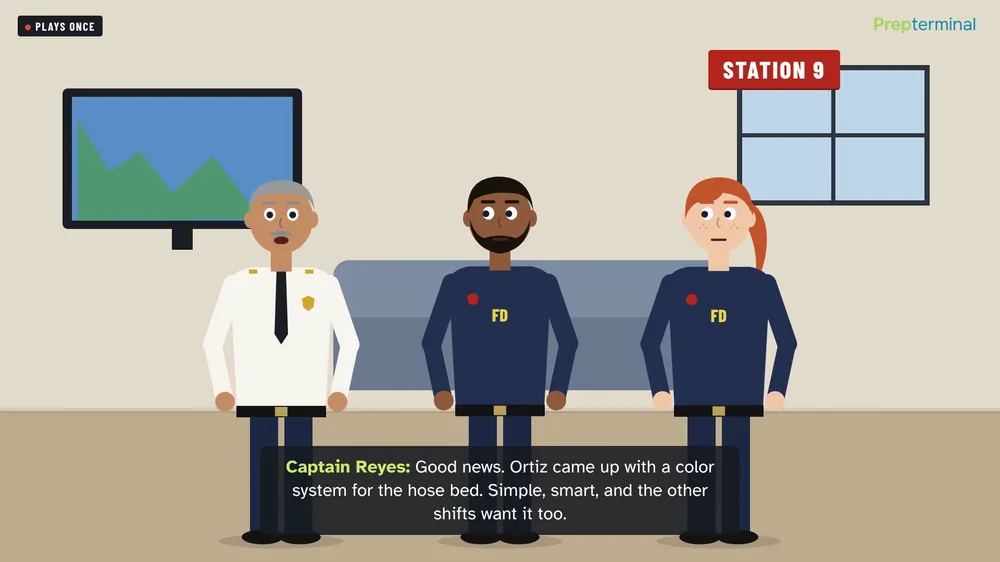
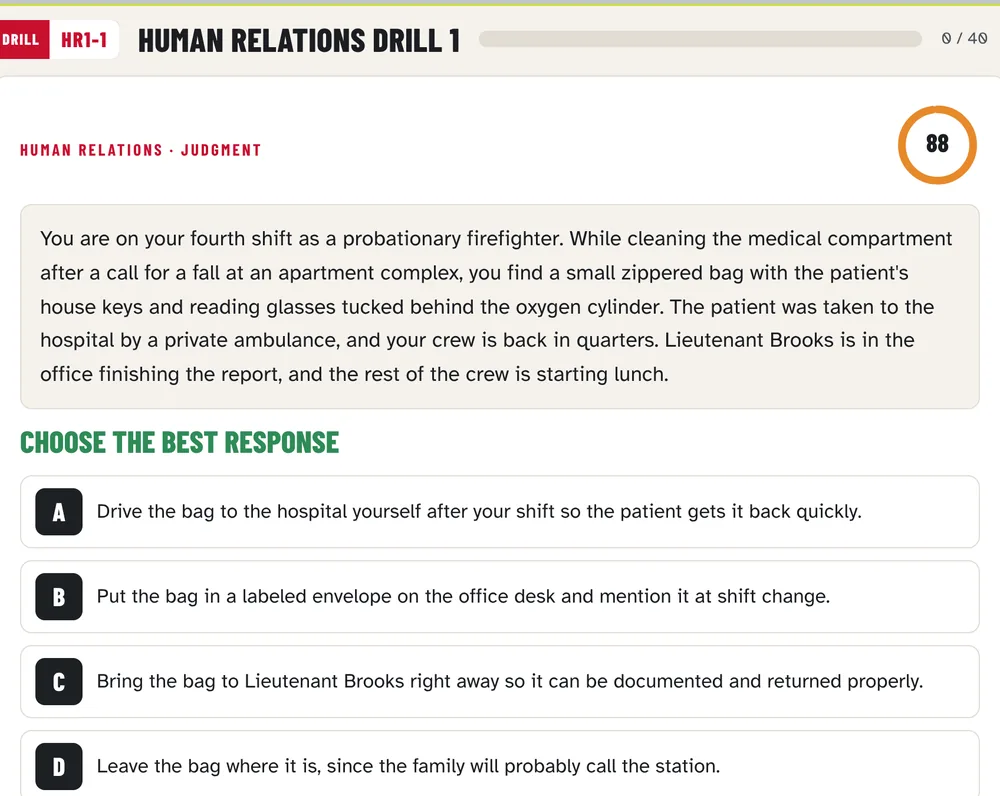
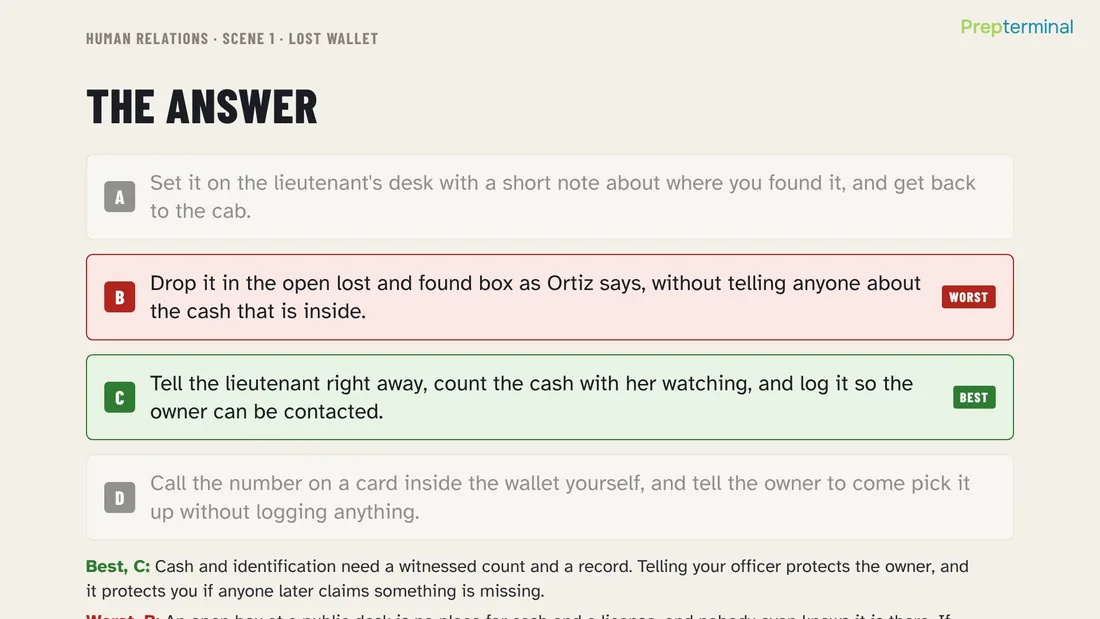
Watch a station scene, then pick the best and the worst of four responses, about 10 seconds each. Some departments rank you on this part alone.
FireTEAM plays once: every scene, animation and math question runs at a fixed pace, with no pause. Firefighter Prep 2026 trains you at that pace, with animated video scenes, a pump house you watch once, math read aloud and timed simulations, with five more test paths, from FCTC to the psych evaluation.
 Human relations
 Mechanical
 Math by ear
 Reading
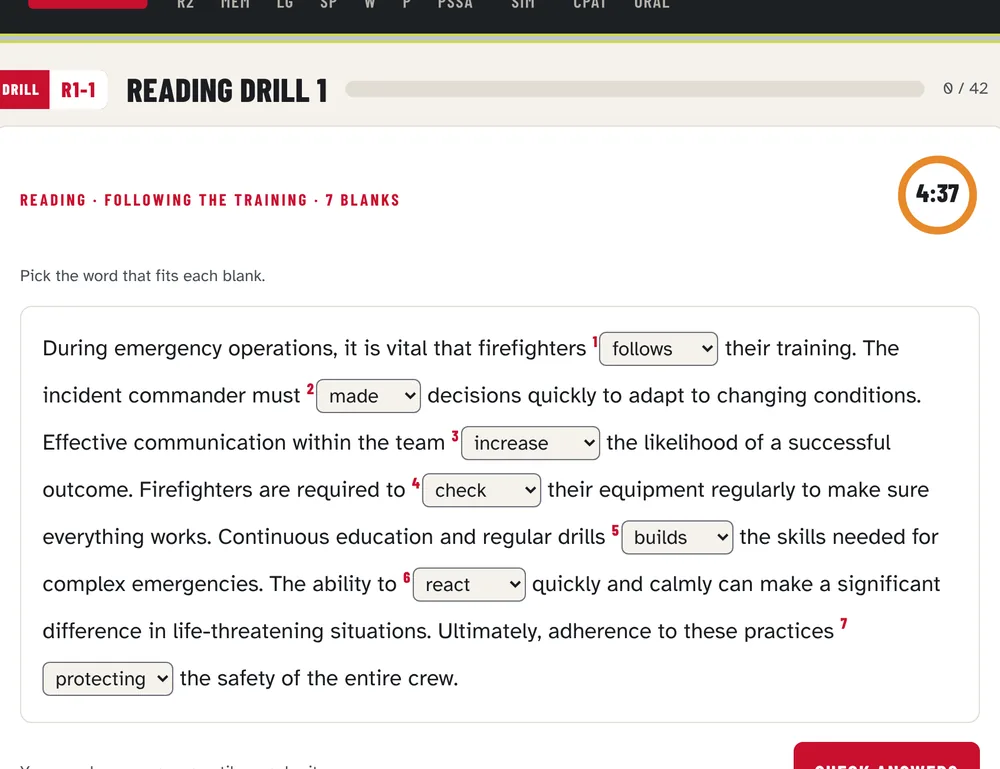
Real questions from the course, one short part each: two station scenes as text, a pump-house clip, two math questions read aloud and a cloze passage. See your score per part next to example cut scores.
FireTEAM format · free · no account, no email · sound on for math
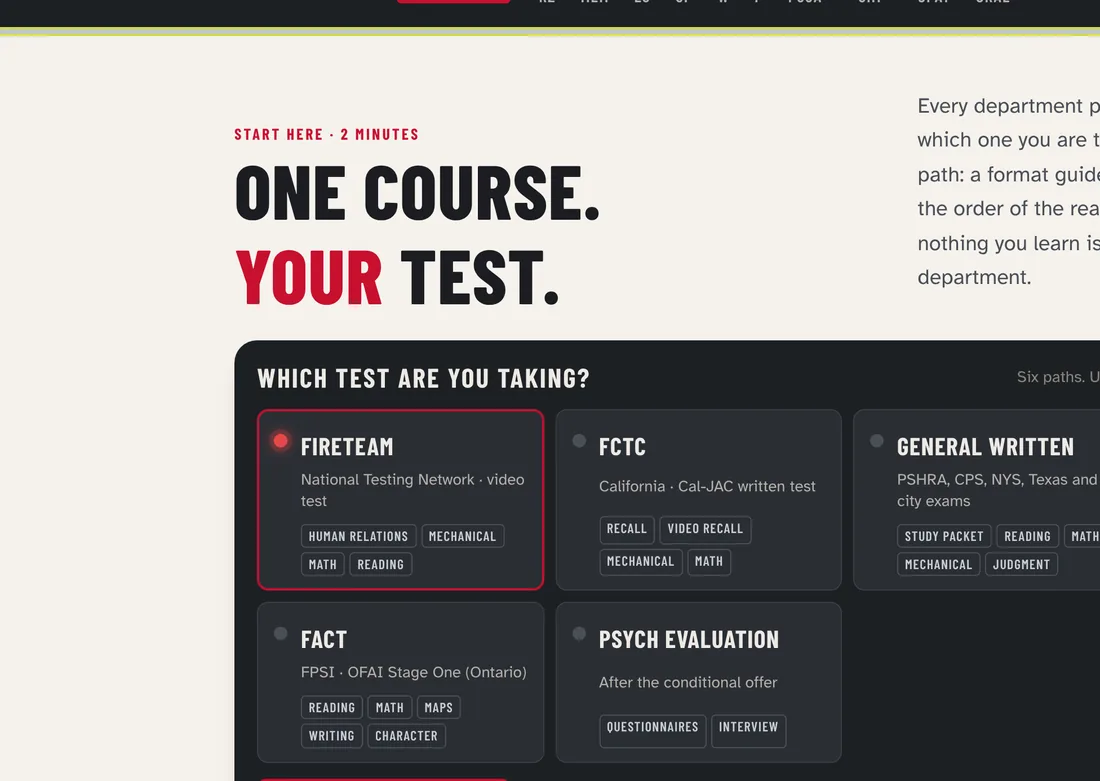 Pick your test. The course opens your path.
Every department picks its own written exam. Tell the course which one you’re taking and it opens your path: a format guide, a diagnostic simulation, the units in the order of the real test and a second simulation. The core skills are shared, so nothing is wasted if you apply to more than one department.
A short tour through the video scenes, drills and simulations.
FireTEAM runs as a video. Scenes, animations and math questions play at a fixed pace. You can’t pause and you don’t get to flip back. None of the four parts is hard on its own. What costs capable candidates points is doing all four at the test’s pace.
Watch a station scene, then pick the best and the worst of four responses, about 10 seconds each. Some departments rank you on this part alone.
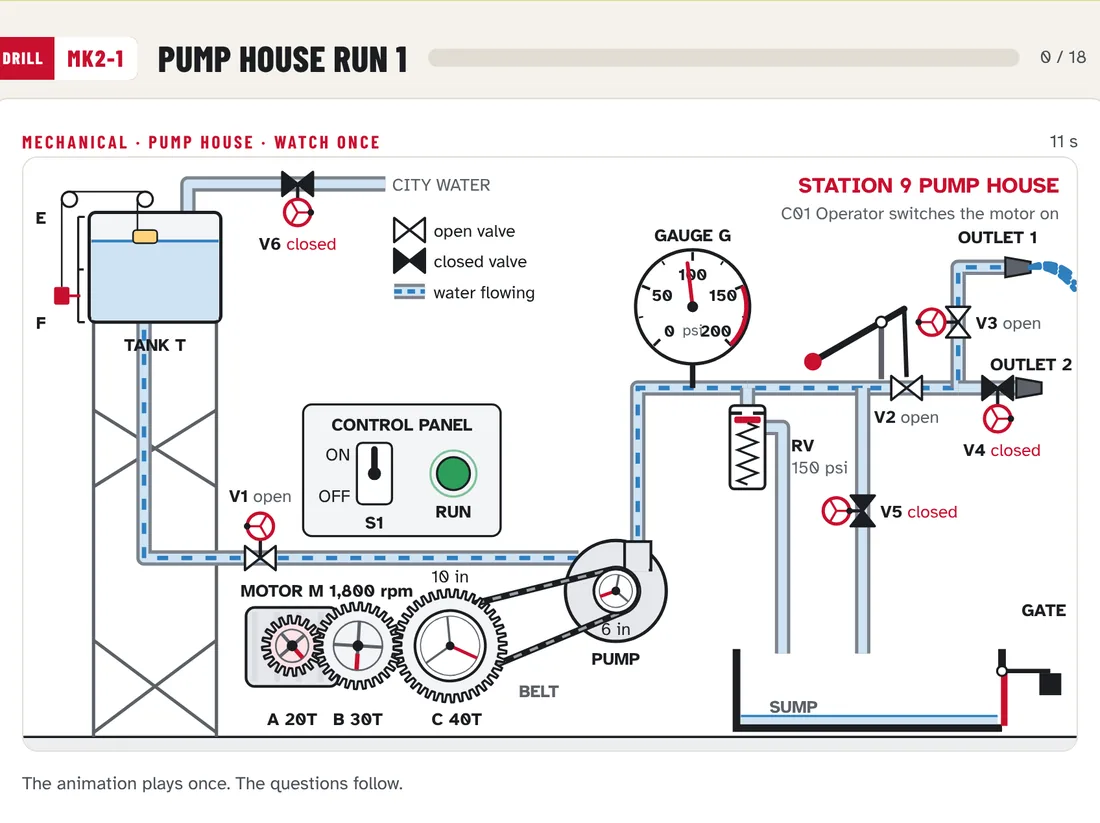
One animated system, then each question shown once. Gears, belts, levers, valves and pressure, answered from what you saw.
Questions are read aloud and solved in your head: rates, time, money, percent, area and units.
A passage with words missing and four choices per blank. About half a minute per blank, less on the short form.
Unanswered items count as wrong, and there is no penalty for guessing. Never leave one empty.1
of test time on the long form (Madison 2024). The short form (Seattle 2019) runs about 1 h 50 min.2
sets the cut scores. San Francisco, for example, requires 75 / 60 / 70 / 80 and ranks on human relations only.3
Most candidates hunt for the one right answer. The best/worst method from lesson HR1 ranks all four responses instead, so by the time the clock asks for the worst one, you already know it.
You’re the probie, not the captain and not the city. Be wary of any option where you act like an officer or a department head.
Under almost every scene sits safety, honesty or the chain of command. Name it in two words: “bad ladder,” “false log,” “skipped officer.”
Put the options on a ladder from best to worst. Then the second question is free: you already know the bottom rung.
Best solves the problem at the lowest appropriate level. Worst breaks safety, honesty or the chain of command, or lets harm continue.
Free questions are a fine start. Here’s what they often leave out.
| Free practice | Firefighter Prep 2026 | |
|---|---|---|
| Clock | Usually none | Every drill and simulation runs on a clock |
| Human relations | Usually text questions | 56 animated video scenes with the 10-second clock, plus 60 text scenes |
| Mechanical | Usually still pictures | An animated pump house you watch once |
| Math | Usually written on screen | Read aloud, solved without paper |
| Why an answer is right | Usually an answer key | Every best and worst response explained |
| Your test | Usually one generic test | 6 test paths and 11 timed simulations |
| After the written test | Usually not covered | CPAT, oral board and psych evaluation guides |
| Cost | $0 | $68 once, 90 days of access |
The only deadline on this page is yours. Pick it and see the route.
A full simulation shows where you stand on each part. Put your days where the gap to your department’s cut score is biggest. If your department ranks on human relations, give it extra time anyway.
One unit and its drills per day or two, the video scenes in training mode first, then the second simulation close to your test date.
Not sure which test your department uses yet? The job posting or the candidate guide usually names the publisher. The core skills are shared across the paths, so you can start before you know.
After the written exam most departments test you physically and in an interview, and after a conditional offer comes a psychological evaluation. The course has a lesson for each step.
25 lessons: a start page that opens your path, six format guides, 15 skill units with drills, the simulations and two lessons for after the written test. 18 of them come with an explainer video.
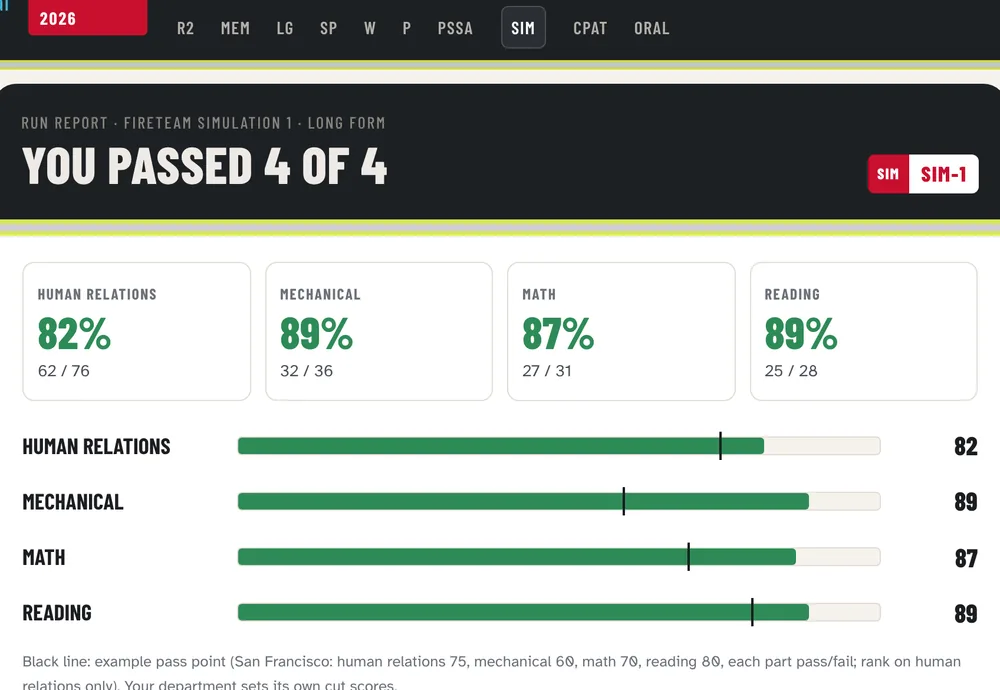
11 timed simulations follow the published forms, including the full-length FireTEAM long and short forms: each part on its own clock, each scene and animation played once. The run report puts your score for each part next to example cut scores.
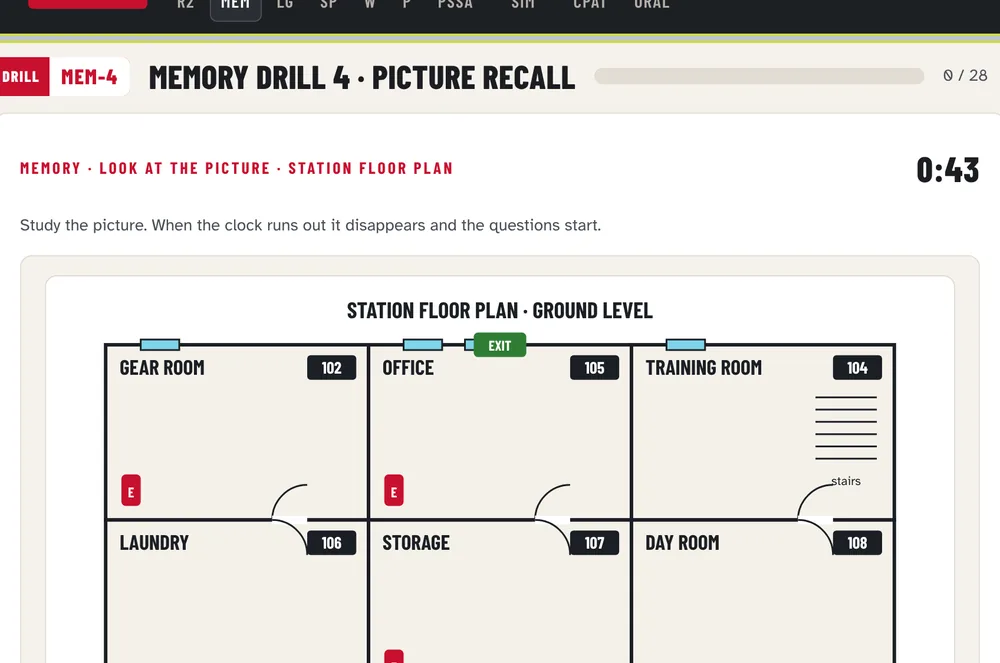
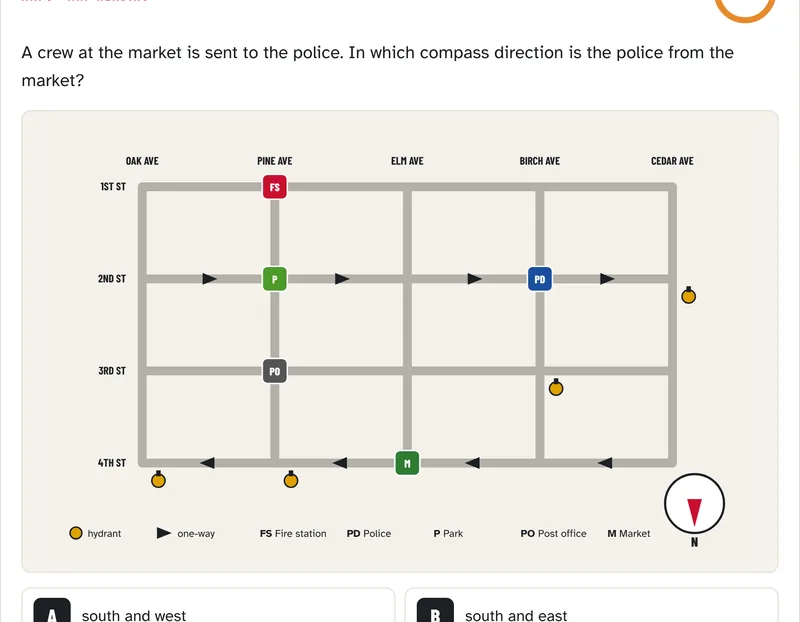
We built this course around what firefighter candidates actually face: a video test that never waits, and a different written exam in almost every department. So the human-relations scenes are animated videos with the 10-second clock, the mechanical part is a system you watch once, and the math is read aloud. If your department uses another test, your path is in here too. If it isn’t right for you, email us within the guarantee period and you get your money back.
Free questions show you the format. They rarely put you on the clock, rarely play anything as video and rarely show you a method. Firefighter Prep 2026 teaches a method for each part, then drills it at test pace: 56 animated human-relations scenes with a 10-second decision clock, an animated pump house you watch once, math read aloud and cloze reading, plus timed simulations.
FireTEAM is a written exam for entry-level firefighters, built by Ergometrics. Ergometrics' tools are now part of National Testing Network (NTN), so your department may call it "the NTN test." It is a video test in four parts: human relations, mechanical, math and reading. Scenes, animations and math questions play at a fixed pace. You can't pause and you don't flip back.
There are at least two lengths. The long form, for example Madison 2024, adds up to about 2 hours 20 minutes of test time. The short form, for example Seattle 2019, adds up to about 1 hour 50 minutes. Instructions take extra time, so plan for more. The course has a full simulation of each length.
There is no national passing score. Each department sets its own cut scores. San Francisco, for example, requires 75 in human relations, 60 in mechanical, 70 in math and 80 in reading, each part pass/fail, and ranks candidates on the human-relations score only. Bellingham uses 70, 60, 70 and 80 plus a combined 80 % average. Check your department's candidate handout.
Yes. An unanswered item counts as wrong and there is no penalty for guessing. Never leave an item blank, even when time runs out.
Yes. You meet the Station 9 crew in 56 animated scenes: 28 training scenes that explain the best and the worst response right after you answer, and 28 different scenes for the simulation, where each scene plays once with 10 seconds for best and 10 seconds for worst. Part II, the questions about the crew's behavior, is included. The HR1 lesson adds 60 text scenes for the method.
Yes. The course has six test paths: FireTEAM, FCTC (California), general written exams such as PSHRA, CPS, NYS, Texas and city exams, NFSI / PST FST, FACT / OFAI, and the psychological evaluation. Pick your test and the course opens your path: a format guide, a diagnostic simulation, the units in the order of the real test and a second simulation.
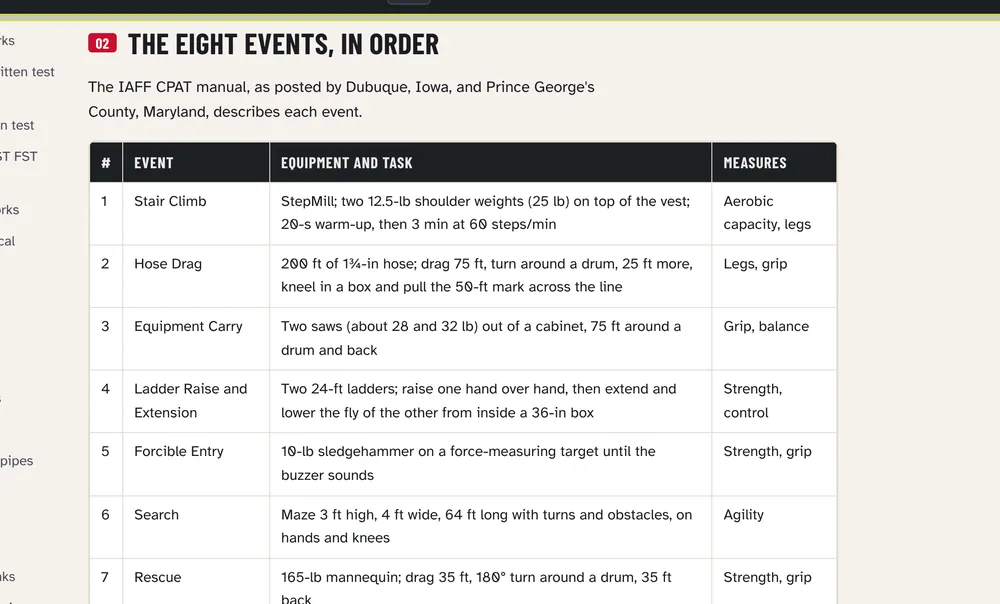
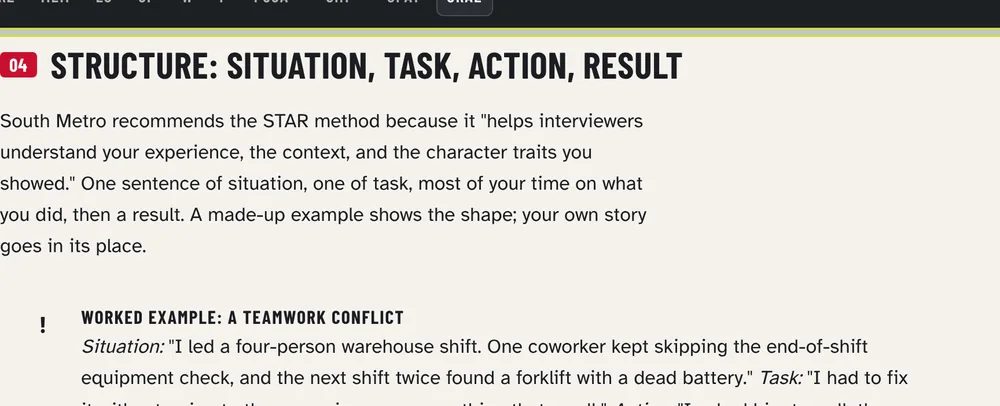
Yes, as written guides. The CPAT lesson covers the eight events, the 10:20 clock, the rules that fail candidates and an eight-week training plan. The oral board lesson covers what panels score, how to structure an answer with STAR and twelve practice questions.
Usually, after a waiting period: Seattle 2025–26, for example, says 90 days; San Francisco and Las Vegas 2026 say three months. Your most recent score replaces earlier ones, and a score usually stays valid for 12 months. So go in ready, not curious.
7-day money-back guarantee. If Firefighter Prep 2026 is not right for you, email support within the guarantee period and you get a full refund. No forms and no support tickets.
Instantly. After checkout you're logged in to the course and can start the first lesson right away. If anything goes wrong, write to [email protected] and a person will answer.
No. Prepterminal is independent test prep and is not affiliated with, endorsed by, or sponsored by National Testing Network (NTN), Ergometrics or any fire department. The scenes, the pump house and all practice questions are written by us in the real test format; the real test uses different scenes and a different mechanical system.
Take simulation 1 tonight and see where you stand against your department’s cut scores.
Get Firefighter Prep 2026: $68P.S. Skipped the test at the top? Try the free test first, then decide.